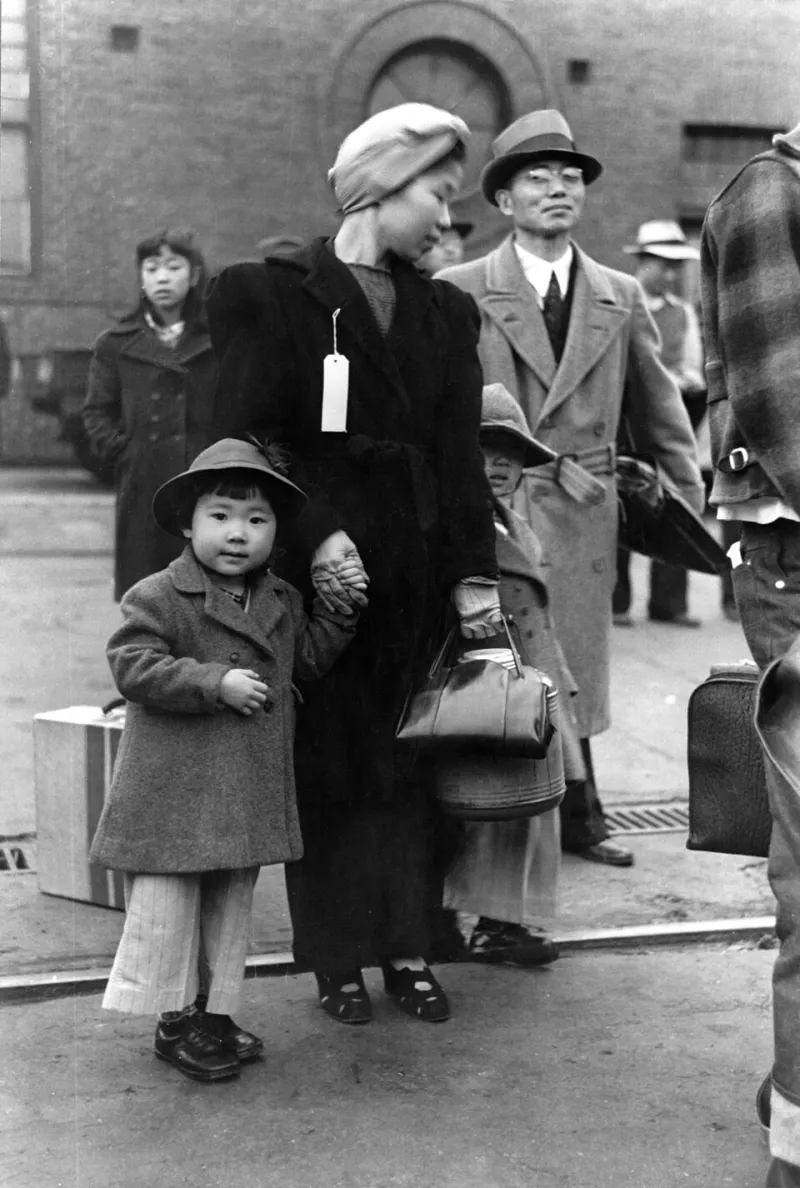
Lost in Translation, Out of Cash, and Completely Unreachable: The Real Story of Traveling Abroad Before Smartphones
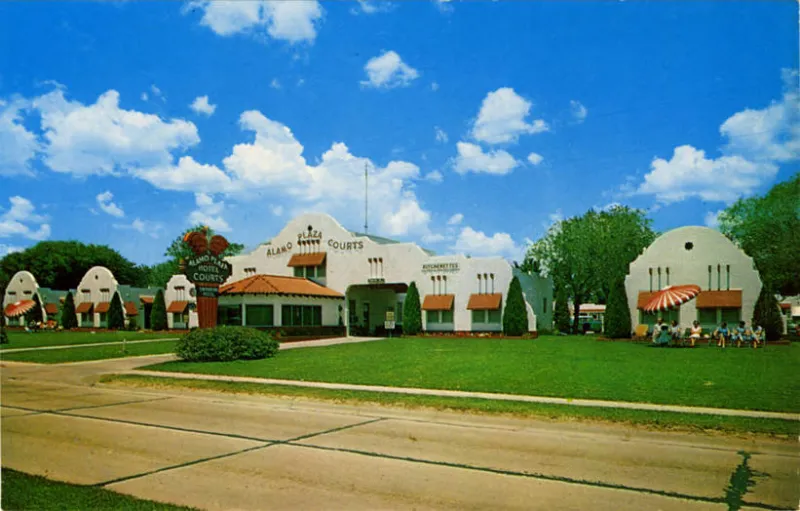
Photo: Unknown authorUnknown author, Public domain, via Wikimedia Commons
Imagine landing at an international airport with no way to call anyone, no map that updates itself, no ability to pull up a translation in half a second, and a fixed amount of cash in a currency you've never handled before — knowing that if you run out, your options are limited and slow. Now imagine that this describes a perfectly normal vacation for millions of Americans as recently as 1985.
Modern travelers complain about flight delays and slow airport Wi-Fi. Their grandparents were navigating foreign train systems with paper timetables, haggling at currency exchange windows, and hoping their hotel reservation had survived the postal system. International travel in the 1970s and 1980s wasn't just a different experience — it was a fundamentally different kind of experience. It required skills that most Americans today have simply never needed to develop.
The Paper Mountain You Had to Climb Before You Even Left Home
Planning an overseas trip in 1978 was its own part-time job. There was no Expedia, no comparison engine, no booking confirmation that arrived in your inbox thirty seconds after you clicked. You went to a travel agent — a human being who physically held the inventory of available seats and rooms — and you trusted them to piece your itinerary together from printed catalogs and phone calls to airlines.
Your plane ticket, when it arrived, was a multi-page paper document that you were sternly advised not to lose. Losing it wasn't like losing a digital booking reference that can be resent in thirty seconds. Losing it could mean missing your flight and absorbing costs that would ruin the whole trip. People guarded those envelopes like they contained the deed to a house.
Then there were the traveler's checks. American Express had been selling them since 1891, and by the 1970s they were the standard solution to the problem of carrying cash abroad. The logic was sound: unlike cash, traveler's checks could theoretically be replaced if stolen. In practice, getting them replaced required finding the right office, in the right city, during business hours, with the right paperwork. Travelers carried them in denominations of $10, $20, and $50, signed each one at purchase, and countersigned at the point of use — a ritual that could turn a simple lunch payment into a minor negotiation.
 Photo: American Express, via logos-world.net
You Were Unreachable. Completely.
This is the detail that modern travelers find hardest to truly absorb. When an American got on a plane to Europe in 1982, they disappeared. Not metaphorically — literally. There was no mechanism by which their family could contact them, short of calling the hotel directly and hoping they were in the room. If plans changed, if there was an emergency at home, if a flight was canceled and they ended up in the wrong city — nobody knew.
Calling home from abroad was possible, but it was expensive, logistically complicated, and emotionally loaded. You found a phone, often in the hotel lobby or a post office, and you placed an international call that cost several dollars per minute at a time when several dollars per minute was serious money. Conversations were short and shouted slightly, as though volume helped the signal cross the Atlantic. People wrote letters instead — actual handwritten letters that took ten days to arrive and another ten for a reply.
The psychological weight of that isolation is almost impossible to recreate. You were on your own in a way that modern travelers, with their roaming data plans and WhatsApp calls, have genuinely never experienced.
The Phrase Book Was Your Lifeline
If you were heading somewhere that didn't speak English, you bought a phrase book. These were small, dense paperbacks organized by situation — at the hotel, at the restaurant, at the pharmacy, in an emergency — and serious travelers dog-eared them into submission over the course of a trip. The problem was that phrase books only worked in one direction. You could look up how to ask where the train station was. Understanding the answer, delivered at normal conversational speed by a local who assumed you spoke the language, was another matter entirely.
Navigating was similarly analog. City maps were purchased at newsstands or tourist offices, folded and refolded until the creases wore through, and consulted openly on street corners in the universal posture of the confused foreigner. Getting genuinely lost — not GPS-lost, where you're twenty feet from your destination and just confused, but actually lost, with no idea what neighborhood you're in or which direction is north — was a routine part of international travel.
What All That Friction Actually Produced
Here's the uncomfortable truth about how easy travel has become: something was lost when the friction disappeared. The Americans who navigated Europe in the 1970s with a phrase book and a fistful of traveler's checks came home with stories that had real texture to them — the wrong train they took, the family that helped them when they were stranded, the three hours they spent genuinely lost in a city they came to love precisely because they had to fight to understand it.
Today's traveler arrives pre-informed, continuously connected, and almost never truly surprised. The restaurant was already reviewed on three apps before they sat down. The neighborhood was already mapped before they stepped off the subway. The experience is smoother, safer, cheaper in real terms, and accessible to vastly more people — all of which is genuinely good.
But the next time you complain that your translation app is slow or the airport ATM has a fee, take a moment to picture your grandmother standing at a currency exchange window in Rome in 1979, counting out lire she barely understood, trying to figure out if she had enough for dinner and a taxi, with no phone, no backup, and no way to ask anyone for help except the phrase book in her purse.
She figured it out. That, too, is a kind of progress worth remembering.