The Great Restaurant Gamble: When Dinner Out Meant Rolling the Dice on Every Single Bite

The Phone Book Roulette
Picture this: It's Friday night, 1985. You're driving through an unfamiliar part of town, stomach growling, scanning the street for somewhere decent to eat. There's no smartphone to consult, no app showing ratings and reviews. You're flying completely blind, making life-or-death decisions about your evening based entirely on whether a restaurant's neon sign looks trustworthy.
This was dining out in America before the internet—a high-stakes gamble where the house always held the advantage. Every meal was a mystery box, and you didn't find out what you'd won until the food arrived at your table.
When Bad Restaurants Thrived in Darkness
Without online reviews, terrible restaurants could operate for decades, hidden in plain sight. A diner could serve overcooked steaks and watery coffee for twenty years, surviving entirely on location and the fact that disappointed customers had no way to warn others. Word of mouth worked, but slowly and inefficiently. By the time a restaurant's reputation caught up with reality, they'd already poisoned countless date nights and family dinners.
Newspaper restaurant critics existed, but they typically covered only upscale establishments in major cities. The average family restaurant, pizza joint, or ethnic eatery operated in complete anonymity. They could change ownership, chefs, or quality standards without anyone outside their immediate neighborhood knowing.
Restaurant owners knew this, and some took advantage. Health code violations went unnoticed by the public. Inconsistent food quality was hidden behind closed kitchen doors. There was no accountability, no transparent feedback system, no way for patterns of poor service to become public knowledge.
The Reservation Nightmare
Making reservations was an exercise in frustration that would horrify modern diners. You called during business hours—and only during business hours—hoping someone would answer. Busy signals were common. When you finally got through, you spoke to whoever happened to be standing near the phone, often someone with no access to the actual reservation book.
Double-bookings were routine. Restaurants would accidentally give the same table to multiple parties, leading to awkward standoffs in crowded waiting areas. There was no automated confirmation system, no text reminders, no way to modify your reservation online. You showed up and hoped for the best.
Many restaurants didn't take reservations at all, operating on a first-come, first-served basis that could mean hour-long waits with no estimated seating time. Families would drive across town for dinner, only to discover a two-hour wait and no backup plan.
The Power of the Hostess Stand
Restaurants held all the cards in the pre-internet era. The hostess at the front desk was essentially a gatekeeper with unchecked authority. If she didn't like you, your table might mysteriously become unavailable. If you complained about slow service or poor food, there was little recourse beyond never returning—and the restaurant rarely noticed one missing customer.
This power dynamic created a culture of deference that seems bizarre today. Diners accepted poor treatment because they had no leverage. Bad service was often met with apologies from customers, not restaurants. The phrase "the customer is always right" existed in theory but rarely in practice.
Restaurant staff knew that dissatisfied customers had limited options for expressing their displeasure. A strongly worded letter to management might get filed away and forgotten. There was no public forum for complaints, no viral reviews that could damage reputation overnight.
The Guidebook Era
Before online reviews, dedicated food lovers relied on printed guidebooks that were updated annually at best. Zagat Survey, founded in 1979, represented the cutting edge of restaurant information—a compilation of customer ratings that was published once a year and cost $12.95.
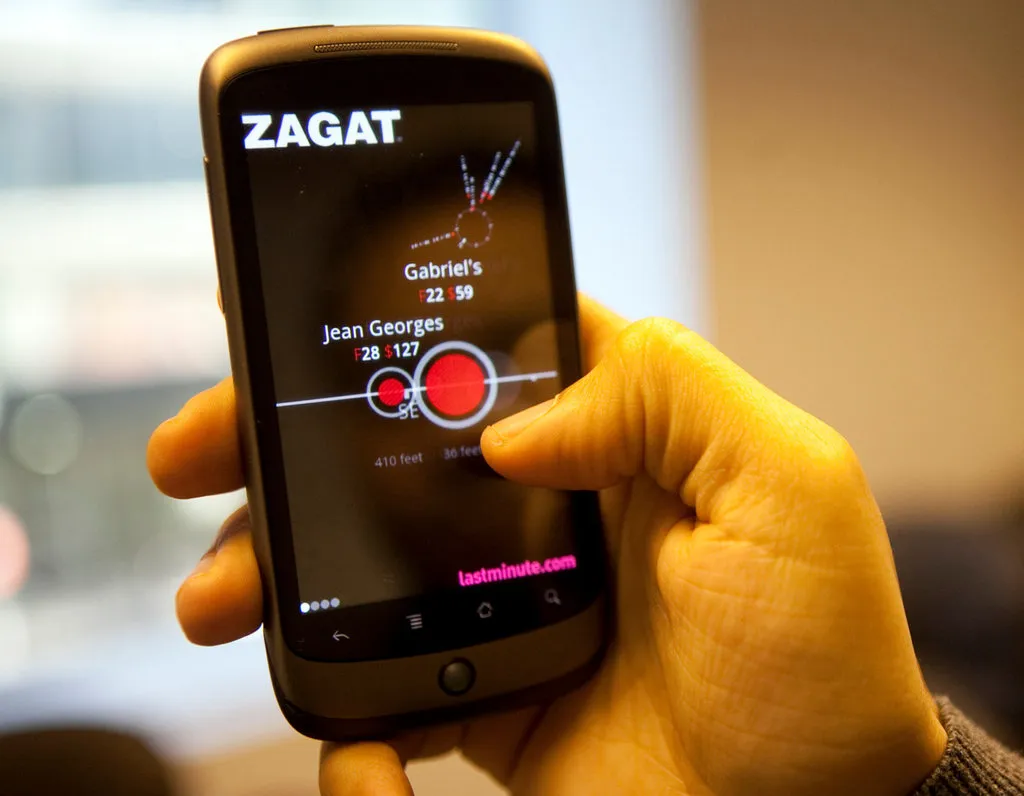 Photo: Zagat Survey, via static01.nyt.com
These guidebooks covered major cities and popular tourist destinations, but left vast swaths of America unmapped. If you were traveling through small-town Nebraska or looking for a late-night bite in suburban Phoenix, you were on your own.
Even when guidebooks covered your area, the information was often months or years out of date. A restaurant could change chefs, close for renovations, or decline dramatically in quality between publications, and guidebook users had no way of knowing.
The Word-of-Mouth Network
In the absence of digital reviews, personal recommendations carried enormous weight. People maintained mental databases of which friends had good taste in restaurants and which ones consistently led them to disasters. A single recommendation from a trusted source could make or break a restaurant's reputation within a social circle.
This system worked well within tight-knit communities but broke down for travelers or newcomers to an area. Moving to a new city meant starting from scratch, slowly building a network of dining intelligence through trial and error.
Office lunch conversations were crucial sources of restaurant intelligence. Coworkers would share discoveries and warnings, creating informal networks of food information that spread through workplaces and neighborhoods.
The Digital Revolution
The transformation began in the late 1990s with early restaurant websites and accelerated rapidly in the 2000s with the rise of user-generated review platforms. Suddenly, every diner became a potential restaurant critic, and every meal became a data point in a vast collective intelligence system.
Today's diners can read hundreds of reviews before choosing where to eat, view photos of actual dishes, check real-time wait times, and make reservations with a few taps on their phone. They can filter results by cuisine type, price range, dietary restrictions, and proximity. The power dynamic between restaurants and customers has completely flipped.
When Information Changed Everything
The rise of online reviews didn't just make dining more convenient—it fundamentally altered the restaurant industry. Bad restaurants can no longer hide in anonymity. Excellent hole-in-the-wall establishments can build devoted followings without traditional marketing. Customer service has improved dramatically because poor treatment now carries real consequences.
Restaurants respond to reviews in real time, addressing complaints and thanking customers publicly. The conversation between diners and establishments has become ongoing and transparent, creating accountability that simply didn't exist in the pre-internet era.
The transformation from blind faith to informed choice represents more than just technological progress—it's a shift from an era when eating out required courage to one where it requires only curiosity. The great restaurant gamble has become a calculated decision, and diners are finally holding the winning hand.