Past to the Present Home

Category

Finance

13 articles

The Hidden Gatekeepers Who Used to Stand Between You and Your Own Business

The Hidden Gatekeepers Who Used to Stand Between You and Your Own Business

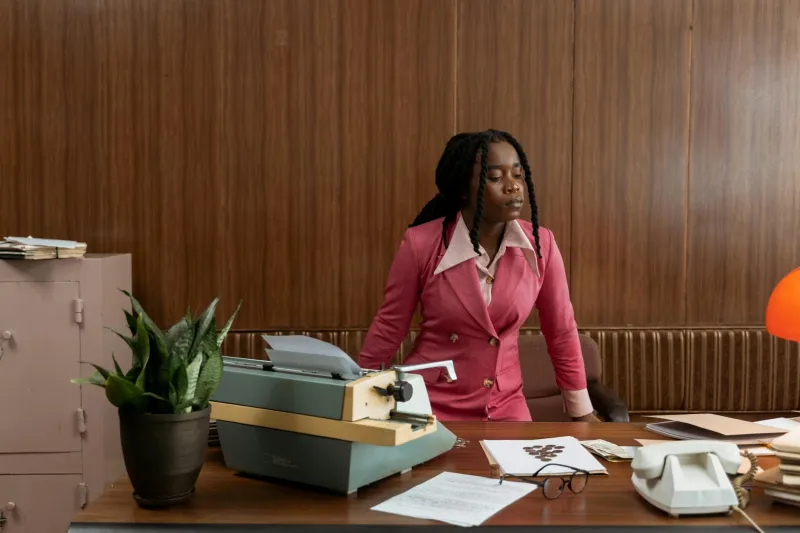
Starting a business in mid-century America wasn't a weekend project — it was a months-long obstacle course that required lawyers, in-person bureaucratic visits, and connections most ordinary people simply didn't have. The collapse of that friction is one of the quiet economic revolutions of our time.

The Milkman Already Solved This Problem a Hundred Years Ago

The Milkman Already Solved This Problem a Hundred Years Ago

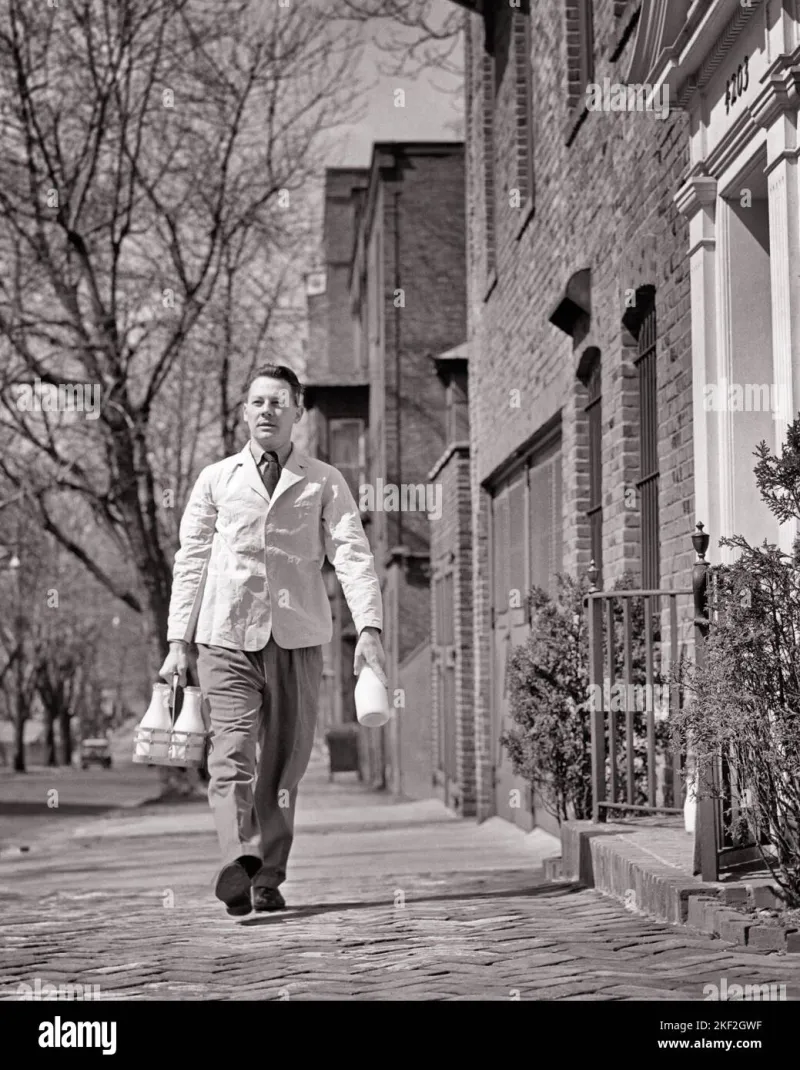
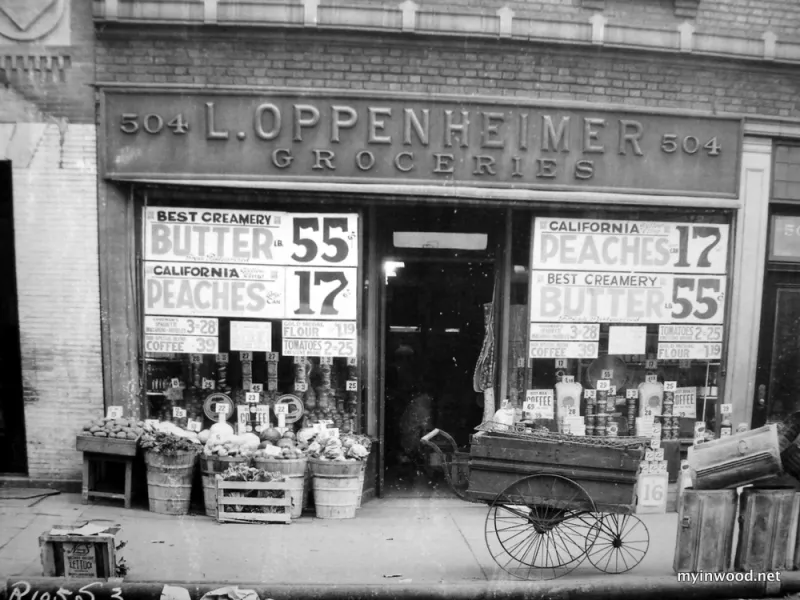
Instacart and DoorDash feel like the future of how Americans get their groceries — but they're really just a high-tech return to the way things already worked before the supermarket upended daily life. The forgotten story of home delivery in early 20th century America raises an uncomfortable question: did we spend sixty years reinventing the wheel?

Retirement Used to Last Five Years. Now It's a Second Life Nobody Planned For.

Retirement Used to Last Five Years. Now It's a Second Life Nobody Planned For.

When Franklin Roosevelt signed Social Security into law, the average American man didn't live long enough to collect it for more than a few years. Today, a healthy 65-year-old might spend three full decades in retirement — a life stage so new that neither individuals nor the financial system have fully figured out what to do with it. The math has changed completely. The mindset hasn't quite caught up.

The Cashier Knew Your Name, Not Your Secrets: Shopping Before Big Data

The Cashier Knew Your Name, Not Your Secrets: Shopping Before Big Data

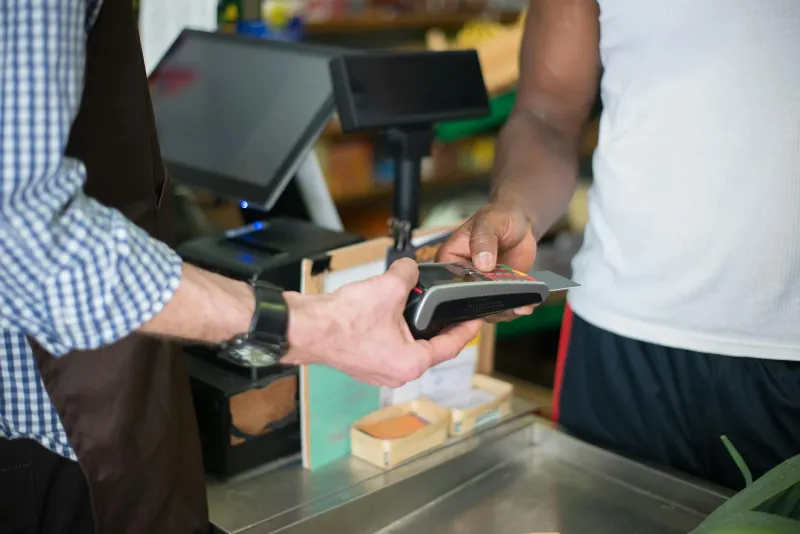
In 1950s America, your grocery purchases were anonymous. You paid cash, walked out, and no corporation knew what you bought. Today, every item is tracked, analyzed, and used to predict your future behavior. The transformation from nameless transactions to algorithmic intimacy happened so gradually that most of us never noticed when shopping stopped being private.

Smoke Breaks, Suits, and No Sick Days: What Going to Work Looked Like in 1960

Smoke Breaks, Suits, and No Sick Days: What Going to Work Looked Like in 1960

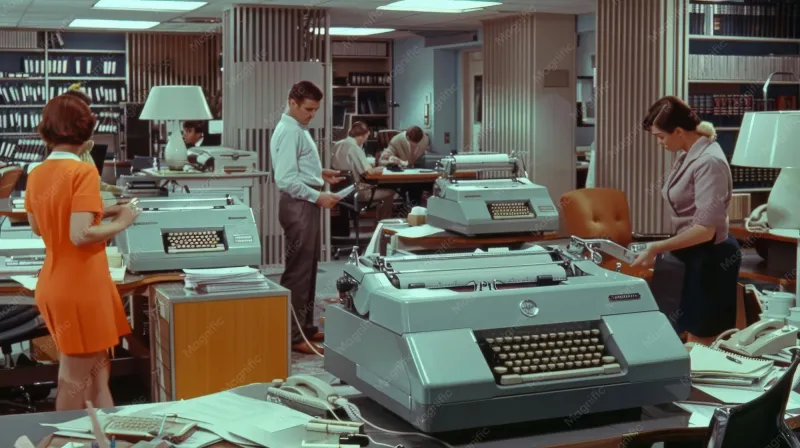
The American workplace of 1960 was a different world — one where smoking at your desk was normal, women were largely absent from management, and the concept of paid leave was a privilege, not a right. Two generations later, the basic texture of earning a living has changed beyond recognition.

How Americans Stopped Spending Half Their Lives Paying for Food

How Americans Stopped Spending Half Their Lives Paying for Food

A century ago, feeding your family could consume nearly a third of everything you earned. Today that number sits closer to 11%. The forces that made food so cheap are extraordinary — but the full story is more complicated than it looks.