Nine Cents, Twelve Years, and the Great reshuffle: What a Loaf of Bread Can Tell You About a Century
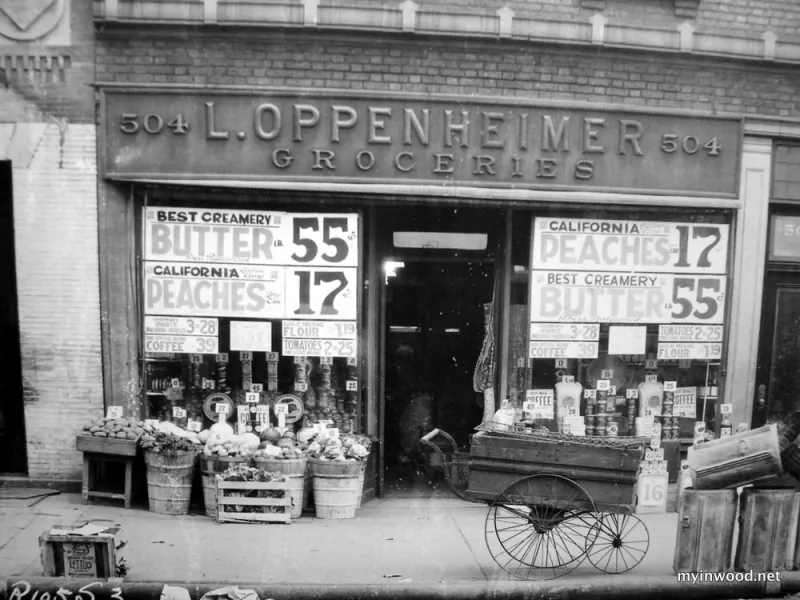
Photo: vintage 1920s grocery store prices sign bread cents black and white, via myinwood.net
In 1920, a loaf of bread cost about nine cents. A dozen eggs, roughly the same. A man's dress shirt could be had for a dollar or two, and a brand-new Ford Model T — a genuine automobile — listed at around $440.
Those numbers sound like a fairy tale until you do the math. Adjust for inflation, and that bread is around $1.40 today — cheaper, in real terms, than what you'll pay. But that Model T? Inflation-adjusted, it cost more than a new Honda Civic. The fairy tale only works if you don't convert the currency.
Once you do, a genuinely strange picture emerges — one that upends how most of us think about 'the good old days.'
The Stuff That Got Absurdly Cheaper
Start with the wins, because they're enormous. In 1920, the average American family spent roughly 40 percent of its income on food. Today, that figure is around 7 to 10 percent, even with recent grocery inflation. Clothing tells the same story: once a major household expense requiring mending, darning, and careful rotation, apparel now claims barely 3 percent of the family budget — and most of us own vastly more of it.
Electronics are the most dramatic case of all. A 1955 television cost about $500 — over $5,700 in today's money — for a screen smaller than a laptop's. A basic smartphone now does more than every device in a 1970 household combined, for a fraction of one month's rent.
This is the quiet miracle of the last century: the material basics of life — calories, clothes, gadgets — have been hammered down in price by mass production and global supply chains. Our grandparents would be stunned by how casually we treat them.
The Stuff That Quietly Exploded
Now flip the ledger. Housing in 1920 consumed a much smaller share of income for many working families — partly because houses were smaller, partly because more Americans rented cheaply, and partly because land was cheaper relative to wages. Today, the median home costs roughly five to six times the median household income. In hot markets, it's far worse. Saving for a down payment, once a few years of discipline, can now take a decade or more.
Healthcare is the starkest reversal. In 1920, a doctor's house call cost a few dollars — real money then, pocket change now. But total medical spending as a share of the economy has exploded from under 4 percent to nearly 18 percent today. An extended hospital stay, once affordable out of pocket for a middle-class family, is now a potential financial catastrophe without insurance.
And college? In 1920, tuition at many state universities was nominal — a few hundred dollars a year at most. Even adjusting for inflation, today's tuition at the same institutions runs multiples higher, which is why student debt has become a defining feature of American adulthood.
The Great Reshuffle
Put it together and you see the real story of the last hundred years. It isn't simply that life got cheaper or more expensive. It's that the categories swapped places.
The things our grandparents spent their days earning — food, clothing, basic goods — became so cheap we stopped noticing them. The things they rarely budgeted for — a hospital stay, a degree, a house in a decent school district — became the expenses that define modern financial life. A 1920 family worried about the grocery bill. A 2025 family has their groceries delivered while worrying about the mortgage, the insurance premium, and the student loan.
There's a hopeful way to read this: we won the war on scarcity for the basics, and that's not nothing. It's arguably the greatest anti-poverty achievement in human history. But there's an uncomfortable part too — the costs that exploded are concentrated in the very things tied to security and mobility: shelter, health, and education. Cheap bread doesn't help much if you can't afford the roof over the toaster.
So the next time a viral post marvels that eggs once cost nine cents, remember the rest of the ledger. Progress didn't make everything affordable. It made a very deliberate choice about what would be. The nine-cent loaf is the proof of what we fixed. The twelve-year mortgage is the receipt for what we haven't.

