The Cashier Knew Your Name, Not Your Secrets: Shopping Before Big Data
The Cashier Knew Your Name, Not Your Secrets: Shopping Before Big Data
Walk into a supermarket in 1955, and the transaction was refreshingly simple: you grabbed what you needed, handed cash to the cashier—who might recognize you by sight but kept no records—and left. That was it. No receipt tracking your habits. No corporation building a psychological profile of your preferences. No targeted ads following you across the internet based on your cereal choice.
Your shopping life was yours alone.
When Anonymity Was the Default
Mid-century American retail operated on a principle that seems almost quaint now: the customer was a stranger. The local grocer might know regular patrons by name, sure, but the transaction itself left no digital footprint. You bought what you wanted, and the store had no systematic way to know what that was. There was no way to track patterns. No way to predict what you'd buy next month. No way to sell that information to anyone else.
Inventory management was done by hand. Clerks physically counted stock on shelves. If a product wasn't moving, the manager noticed through observation, not algorithms. Pricing decisions came from intuition and competition, not from analyzing millions of data points about customer behavior. The relationship between store and shopper was transactional—nothing more.
When supermarkets began replacing small independent grocers in the 1950s and 60s, they offered convenience and selection, but they still operated on cash transactions. A receipt was just a record of what you bought that day. It wasn't connected to your name, your address, or your previous purchases. If you bought toilet paper on Monday and diapers on Thursday, no computer was connecting those dots and hypothesizing about your family situation.
Privacy, in other words, was baked into the system by default.
The Loyalty Card Revolution
Then came the loyalty program.
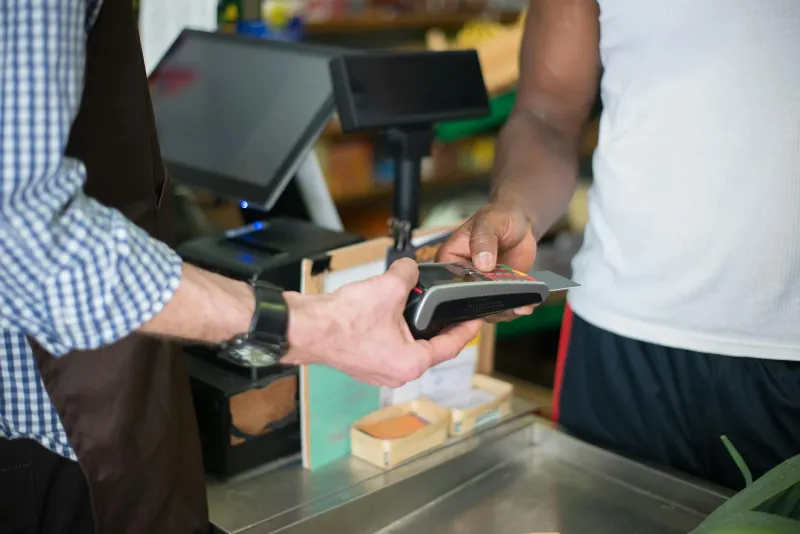
In the 1980s and 90s, grocery chains began introducing rewards cards. Safeway, Kroger, and regional chains offered discounts if you signed up and swiped your card at checkout. The pitch was simple: earn points, get deals. Customers lined up to participate. Why pay full price if you could save money?
What shoppers didn't fully understand—or perhaps didn't want to think too hard about—was what they were trading. Every swipe connected your name to your purchases. Every item you bought became part of a permanent record. The grocer now knew not just what you bought today, but everything you'd ever bought. The patterns emerged immediately. Pregnant? The algorithm noticed before you'd announced it. Dieting? The data showed it. Struggling financially? The loyalty card revealed it through your buying patterns.
Retailers weren't collecting this data out of nostalgia or customer service. They were building a map of human behavior. And once you had that map, you could weaponize it.
From Data to Prediction to Manipulation
Fast forward to today, and the grocery store has become something far more sophisticated—and far more intrusive.
Modern supermarket chains don't just track what you buy. They combine your loyalty card data with your credit card information, your browsing history, your demographic profile, and data purchased from third-party brokers. They know your age, income bracket, marital status, and likely political affiliation. They track whether you're buying organic or conventional, name-brand or store-brand, diet products or indulgent ones.
Then they use that information to predict your future behavior and shape it.
Coupons are no longer random. They're targeted to you specifically based on what algorithms believe you're likely to buy. A mother of three who buys budget pasta will get offers on bulk rice and discount cereals. A health-conscious shopper who buys organic produce will see promotions for premium whole-grain bread. The store isn't offering deals to everyone equally; it's using data science to maximize profit from each individual customer.
This extends far beyond the grocery store. Retailers share data with insurance companies, credit agencies, and marketing firms. Your shopping habits inform insurance premiums. They influence credit scores. They're used to predict and target your vulnerabilities.
Amazon's cashier-less stores take this to its logical extreme: cameras and sensors track every item your hand touches, not just the ones you buy. The store is learning about your browsing behavior—the products you considered but rejected, the ones you picked up and put back. It's surveillance disguised as convenience.
What We Lost in the Transition
The shift from anonymity to surveillance happened so gradually that many people didn't notice the moment it crossed from "convenience" into something more troubling.
Your grandfather could buy what he wanted without corporate algorithms building a psychological profile. He could experiment with new products without that data following him. He could make private choices about his health, his finances, his lifestyle—and those choices would remain private.
Today, every purchase is a data point in a system designed to predict and influence your behavior. The grocery store isn't neutral anymore. It's an active participant in understanding and shaping what you buy.
The irony is that we accepted this trade—our privacy for a few cents off a gallon of milk. And once we accepted it at the grocery store, the same logic spread everywhere. Your phone tracks your location. Retailers know where you go. Websites follow you across the internet. Social media platforms predict your emotional vulnerabilities.
We've built a world where anonymity is almost impossible, and many people under 30 have never experienced truly private shopping. They don't know what it felt like to walk into a store and be genuinely unknown.
The Convenience Paradox
Here's the strange part: in many ways, modern retail is genuinely more convenient. Personalized recommendations do sometimes surface products you actually want. Targeted coupons do save you money if you shop strategically. The data-driven supply chain ensures products you need are in stock.
But convenience and surveillance aren't mutually exclusive—they're a package deal. You can't get the algorithmic benefits without accepting the tracking. The store isn't offering you a choice between "convenient but private" and "tracked but personalized." It's offering you the tracked version and calling it convenience.
Your grandfather's grocery store was simpler, slower, and less efficient. But it respected your privacy by default. In 2024, efficiency and surveillance are the same thing. The question isn't whether you'll be tracked—you will be. The question is whether you understand what you're trading for that convenience.