How different was the world? More than you think.

Past to the Present

How different was the world? More than you think.

Latest Articles

When Doctors Banned You From Running: The Surprising Medical War Against Jogging
Health

When Doctors Banned You From Running: The Surprising Medical War Against Jogging

For most of American history, running for exercise was considered so dangerous that doctors actively discouraged it. Today, over 60 million Americans run regularly, transforming what was once viewed as medically reckless into a cornerstone of healthy living.

When a Letter Was an Event: How Americans Really Stayed Connected Before Texting
Travel

When a Letter Was an Event: How Americans Really Stayed Connected Before Texting

Before email, before phones were affordable, before text messages existed, Americans maintained long-distance relationships through letters—carefully composed, days-long journeys through the postal system. The deliberation required to stay in touch across distance created a profoundly different kind of intimacy than instant digital communication offers today.

The Athlete Who Peaked at 28 Would Be Considered Over the Hill Today
Health

The Athlete Who Peaked at 28 Would Be Considered Over the Hill Today

In 1920, a baseball player's best years came early—often by his late twenties. Today's athletes regularly play at elite levels into their late thirties. The difference isn't just training; it's a complete revolution in how we understand the human body, nutrition, recovery, and the science of athletic longevity.

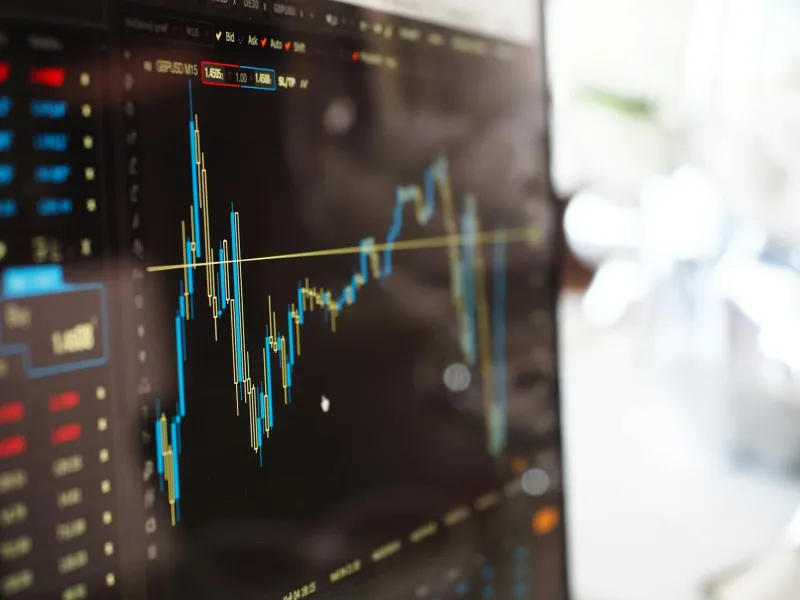
The Cashier Knew Your Name, Not Your Secrets: Shopping Before Big Data
Finance

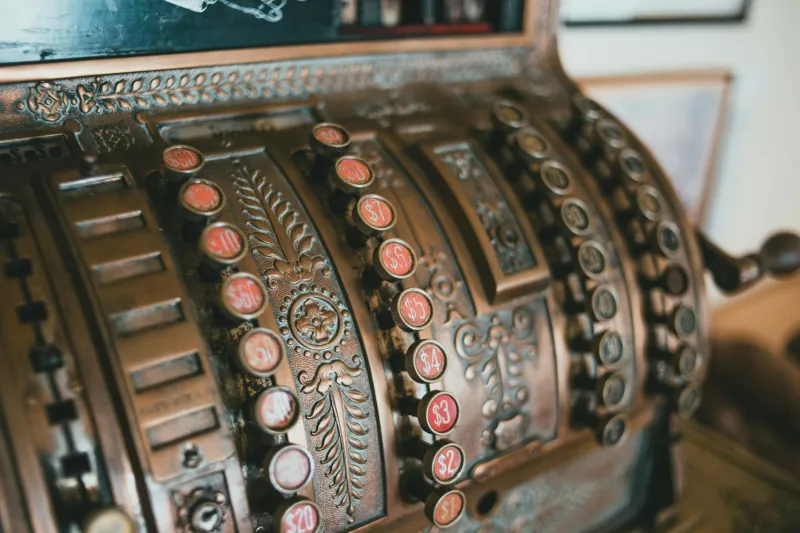
The Cashier Knew Your Name, Not Your Secrets: Shopping Before Big Data

In 1950s America, your grocery purchases were anonymous. You paid cash, walked out, and no corporation knew what you bought. Today, every item is tracked, analyzed, and used to predict your future behavior. The transformation from nameless transactions to algorithmic intimacy happened so gradually that most of us never noticed when shopping stopped being private.

Smoke Breaks, Suits, and No Sick Days: What Going to Work Looked Like in 1960
Finance

Smoke Breaks, Suits, and No Sick Days: What Going to Work Looked Like in 1960

The American workplace of 1960 was a different world — one where smoking at your desk was normal, women were largely absent from management, and the concept of paid leave was a privilege, not a right. Two generations later, the basic texture of earning a living has changed beyond recognition.

From Weeks to Seconds: How America's Patience for Waiting Completely Collapsed
Travel

From Weeks to Seconds: How America's Patience for Waiting Completely Collapsed

A letter from New York to California once took three weeks. The Pony Express was considered a miracle when it cut that to ten days. Today, we feel a flicker of irritation if a text message takes more than a minute to get a reply. The story of how American communication went from weeks to seconds is wilder than most people realize.

When Summer Was the Enemy: Life in America Before Air Conditioning
Health

When Summer Was the Enemy: Life in America Before Air Conditioning

Before air conditioning became a household staple, American summers were a genuine survival challenge. From sleeping on rooftops to fleeing cities entirely, people built their entire lives around escaping the heat — and thousands still died trying. One invention quietly changed all of that.

How Americans Stopped Spending Half Their Lives Paying for Food
Finance

How Americans Stopped Spending Half Their Lives Paying for Food

A century ago, feeding your family could consume nearly a third of everything you earned. Today that number sits closer to 11%. The forces that made food so cheap are extraordinary — but the full story is more complicated than it looks.

The Heart Attack Used to Be a Death Notice. Medicine Rewrote That Story.
Health

The Heart Attack Used to Be a Death Notice. Medicine Rewrote That Story.

Seventy-five years ago, surviving a heart attack was the exception, not the rule. Today, roughly 90% of people who reach a hospital in time walk out alive. The science that made that possible is one of the most remarkable medical journeys of the modern era.

The Road Trip That Could Kill You: Driving Across America Before the Interstate
Travel

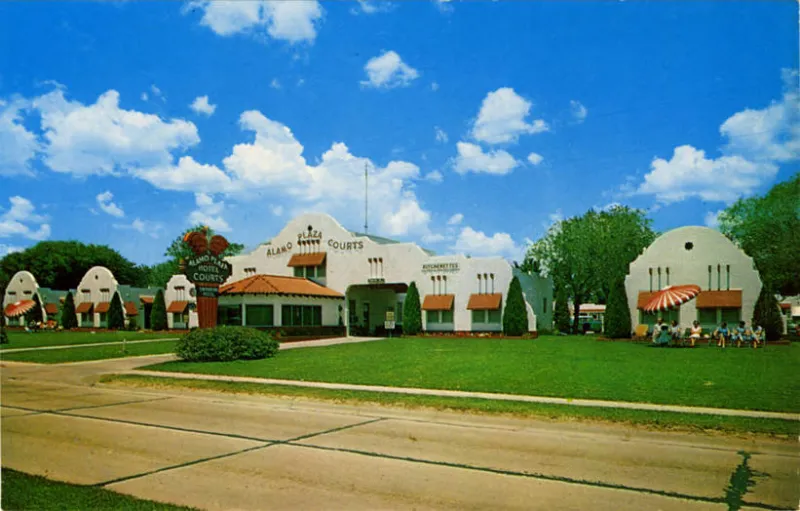
The Road Trip That Could Kill You: Driving Across America Before the Interstate

Before GPS, rest stops, and smooth asphalt, crossing America by car was a genuine expedition that took weeks and demanded serious nerve. The story of how we went from mud-caked adventure to cruise-control comfort is wilder than most people realize.