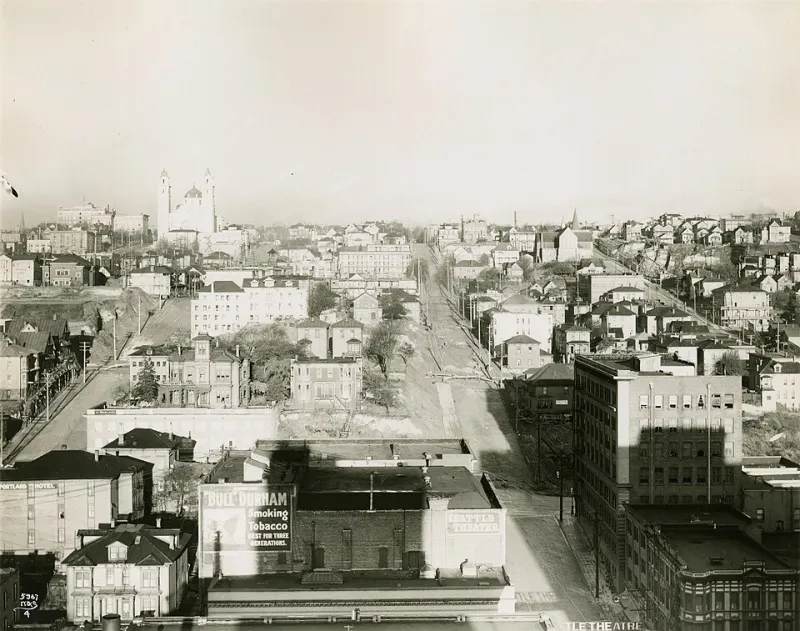
Your Great-Grandmother's February Menu Was Basically the Same Every Year — Here's Why
Your Great-Grandmother's February Menu Was Basically the Same Every Year — Here's Why
Picture a farmhouse kitchen in Minnesota, January 1928. Outside, the temperature hasn't crept above zero in two weeks. Inside, a woman is figuring out what to feed her family for the week.
Her options: potatoes from the root cellar. Carrots, same. Dried beans. Salt pork from the barrel in the corner. Canned tomatoes she put up herself last August. Some dried corn. Possibly an onion. Bread she'll bake herself.
That's not a hardship meal. That's just January.
Now walk into a Kroger in Minneapolis this February. You'll find fresh strawberries from Mexico, mangoes from Peru, cherry tomatoes from Canada, asparagus from Chile, basil from California, and blueberries that have traveled farther than most Americans vacation. All of it available on a Tuesday afternoon for prices that would have seemed like science fiction to that Minnesota farmwife.
The distance between those two realities is one of the most underappreciated leaps in American daily life — a shift so complete that we've essentially forgotten it happened.
Geography Was Destiny
For the vast majority of American history, your diet was determined by two things: where you lived and what month it was. A family in coastal Georgia ate differently from a family in the Ohio Valley, who ate differently from a family in the New Mexico Territory. Not because of cultural preference — though that played a role — but because the food that existed near you was the food you ate.
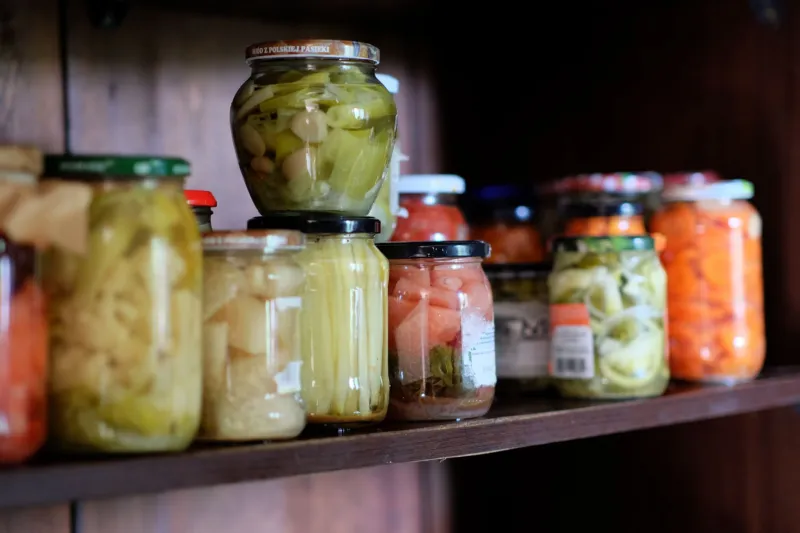
Fresh produce was a warm-weather luxury. From roughly October to May across most of the country, vegetables meant whatever could be preserved: root vegetables stored in cold cellars, things pickled in brine, foods dried or smoked or canned. Fruit in January meant preserves, dried apples, or nothing at all.
Meat was similarly constrained. Without refrigeration, butchering happened in the fall when temperatures dropped enough to keep meat from spoiling, and the cuts that couldn't be eaten immediately were salted, smoked, or packed in lard. A fresh pork chop in July was almost unthinkable in most of the country.
This wasn't considered deprivation. It was simply the rhythm of eating, repeated year after year, generation after generation. You ate what the land gave you, when it gave it.
The Ice Age That Changed Everything
The first crack in seasonal eating came from an unlikely source: ice.
The 19th-century ice trade — massive blocks cut from frozen New England ponds and shipped as far as the Caribbean — gave urban Americans their first taste of preserved cold. By the 1880s, ice delivery was a regular feature of city life, and the icebox (the literal ancestor of your refrigerator) started keeping urban pantries a bit more flexible.
 Photo: New England, via c8.alamy.com
But the real revolution arrived on wheels. Refrigerated railroad cars, developed in the 1880s and refined through the early 1900s, began moving perishable food across the country at scale. California oranges could reach Chicago. Florida strawberries could appear in New York City. The grip of local geography began, slowly, to loosen.
Mechanical refrigeration — first in commercial settings, then gradually in homes through the 1920s and 1930s — extended the revolution into kitchens. By the time the average American family had a proper refrigerator in the late 1940s, the concept of keeping fresh food for more than a day or two had already become normal.
Refrigerated trucking connected the dots. As the Interstate Highway System spread across the country after 1956, a truck loaded with California lettuce could reach a grocery store in Cleveland in under three days. The local harvest was no longer the only option — it was just one option among many.
 Photo: Interstate Highway System, via www.thedrive.com
40,000 Products and a February Strawberry
The modern American supermarket stocks somewhere between 30,000 and 50,000 individual products. The average grocery store in 1930 carried perhaps 1,000 items, almost all of them non-perishable.
Global trade agreements, air freight, sophisticated cold-chain logistics, and year-round growing operations in places like Mexico, Chile, and Peru have effectively abolished the season for American consumers. Strawberries are available every month of the year. Avocados arrive from multiple countries simultaneously to ensure consistent supply. Tomatoes in December don't raise an eyebrow.
A pound of Chilean grapes in February costs around $2.50 at most American supermarkets. Getting those grapes from a vineyard in the Maule Valley to a produce aisle in suburban Ohio involves refrigerated containers, transoceanic shipping, customs processing, distribution centers, and last-mile trucking — a supply chain of staggering complexity that executes so reliably we've stopped marveling at it entirely.
What We Lost, What We Gained
There's a reasonable argument that something was surrendered in this transformation. The old seasonal diet — limited as it was — had a certain coherence. Eating what grew near you, when it grew, connected people to the land and to each other in ways that a year-round strawberry simply doesn't.
The modern food landscape also has its own problems: the environmental cost of flying asparagus from Peru, the labor conditions in global supply chains, the nutritional tradeoffs of produce picked unripe for long-distance travel.
But here's the thing: for most of American history, a poor diet wasn't a philosophical choice. It was an economic and geographic reality. Scurvy — caused by vitamin C deficiency — was a genuine threat in American winters well into the early 20th century. Nutritional monotony wasn't charming. It was limiting in ways that affected health, energy, and quality of life.
The Minnesota farmwife making do with root cellar carrots and salt pork in January wasn't living in harmony with nature. She was working around serious constraints with considerable skill and resilience.
The February strawberry on your kitchen counter isn't just a piece of fruit. It's the end result of a century of refrigeration, infrastructure, global trade, and logistics innovation that collectively abolished one of the oldest limits on human daily life.
Your great-grandmother would think it was a miracle. We just call it grocery shopping.