The Doctor Said 'Trust Me' and That Was All You Got: America's Journey From Medical Mystery to Information Overload
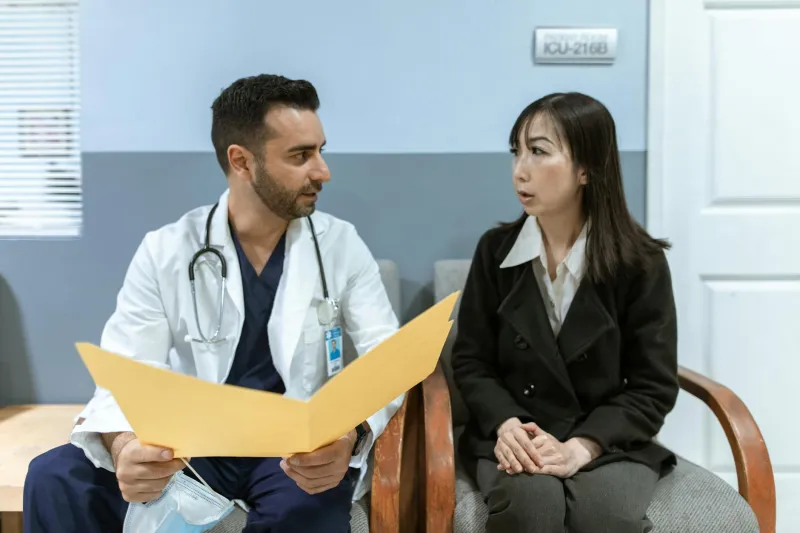
When Your Doctor's Word Was Gospel
Imagine walking out of a doctor's office in 1985 with a diagnosis you'd never heard of, clutching a prescription slip and maybe a pamphlet if you were lucky. Your options for learning more? Ask the doctor to explain again, hope your local library had a medical encyclopedia, or wait until your next appointment to voice your questions.
This was reality for millions of Americans just a generation ago. The relationship between patient and physician operated on a foundation of trust that bordered on blind faith. Doctors possessed the knowledge, patients received the treatment, and questioning wasn't just discouraged—it was practically impossible.
The Great Medical Information Desert
Before the internet revolutionized healthcare information, patients lived in what can only be described as a medical information desert. If your doctor diagnosed you with hypertension, you might spend weeks wondering what that actually meant for your daily life. Was it serious? Could you exercise? Should you change your diet?
The Merck Manual sat behind pharmacy counters like a sacred text, accessible only to medical professionals. Public libraries might stock a basic medical reference book, but these volumes were often outdated and written in language that assumed medical training. Most Americans relied entirely on whatever their physician chose to share during a fifteen-minute appointment.
This information gap created a peculiar dynamic. Patients rarely questioned treatment plans because they lacked the knowledge to formulate meaningful questions. The phrase "doctor's orders" carried absolute authority. If your physician prescribed bed rest, you rested. If they recommended surgery, you scheduled it. Second opinions were rare luxuries, not standard practice.
The Dial-Up Revolution Begins
The late 1990s marked the beginning of a seismic shift. As Americans gained internet access, medical information that once required years of training became available with a few keystrokes. Websites like WebMD launched in 1996, promising to democratize health information.
Suddenly, that mysterious diagnosis had a name, symptoms, treatment options, and user forums filled with people sharing similar experiences. The medical establishment initially resisted this change. Many physicians worried that patients would self-diagnose incorrectly or panic over rare complications listed on medical websites.
They weren't entirely wrong. Emergency rooms began seeing patients convinced they were dying from exotic diseases after reading symptoms online. The term "cyberchondria" entered the medical vocabulary, describing people who developed anxiety from excessive online health research.
When Patients Became Researchers
By the 2000s, the power dynamic had shifted dramatically. Patients began arriving at appointments with printed articles, lists of questions, and sometimes more current research than their doctors had seen. The internet didn't just provide basic information—it offered access to peer-reviewed studies, clinical trial results, and specialized medical databases.
This transformation accelerated during the COVID-19 pandemic. Americans who had never heard of mRNA technology were suddenly debating vaccine mechanisms. Epidemiological terms like "R-naught" and "case fatality rate" became dinner table conversation. The gap between medical professional and informed patient narrowed to a degree unimaginable just decades earlier.
The Double-Edged Digital Diagnosis
Today's healthcare landscape presents both unprecedented opportunities and unique challenges. Patients can research their symptoms, verify their doctor's recommendations, and connect with others facing similar health issues. Apps can track everything from blood pressure to sleep patterns, providing data that would have required expensive medical equipment in the past.
However, this information abundance creates new problems. Patients may delay seeking care because they've convinced themselves they know what's wrong. Others become overwhelmed by conflicting information from different sources. The challenge isn't finding health information anymore—it's determining which sources to trust.
AI-powered symptom checkers now offer instant diagnoses, while telemedicine platforms provide medical consultations without leaving home. The doctor's monopoly on medical knowledge has been thoroughly broken, replaced by a complex ecosystem where patients and physicians navigate information together.
The New Medical Partnership
Smart healthcare providers have adapted to this reality by embracing informed patients rather than resisting them. The best doctors now act more like consultants, helping patients interpret the information they've gathered rather than simply dispensing diagnoses from on high.
This shift has improved healthcare outcomes in many ways. Patients are more likely to follow treatment plans they understand and helped research. They catch medication interactions their doctors might miss. They advocate more effectively for their own care.
From Trust to Verify
The journey from "doctor knows best" to "patient as partner" represents one of the most significant cultural shifts in modern American life. We've moved from an era where medical knowledge was hoarded by professionals to one where information overload creates its own set of challenges.
Today's patients face a fundamentally different problem than their grandparents: not too little information, but too much. The challenge isn't accessing medical knowledge—it's learning to evaluate it wisely. In many ways, we've traded the anxiety of ignorance for the anxiety of endless possibilities.
This transformation reflects broader changes in how Americans relate to authority and expertise. The same forces that democratized medical information have reshaped everything from financial advice to home repair tutorials. We've gained unprecedented access to knowledge, but lost the simplicity of simply trusting the expert in the room.
The question isn't whether this change has been good or bad—it's irreversible. Today's patients will never return to the days of unquestioning trust in medical authority, nor should they. The challenge now is learning to navigate this new landscape wisely, using information as a tool for better health rather than a source of endless worry.